
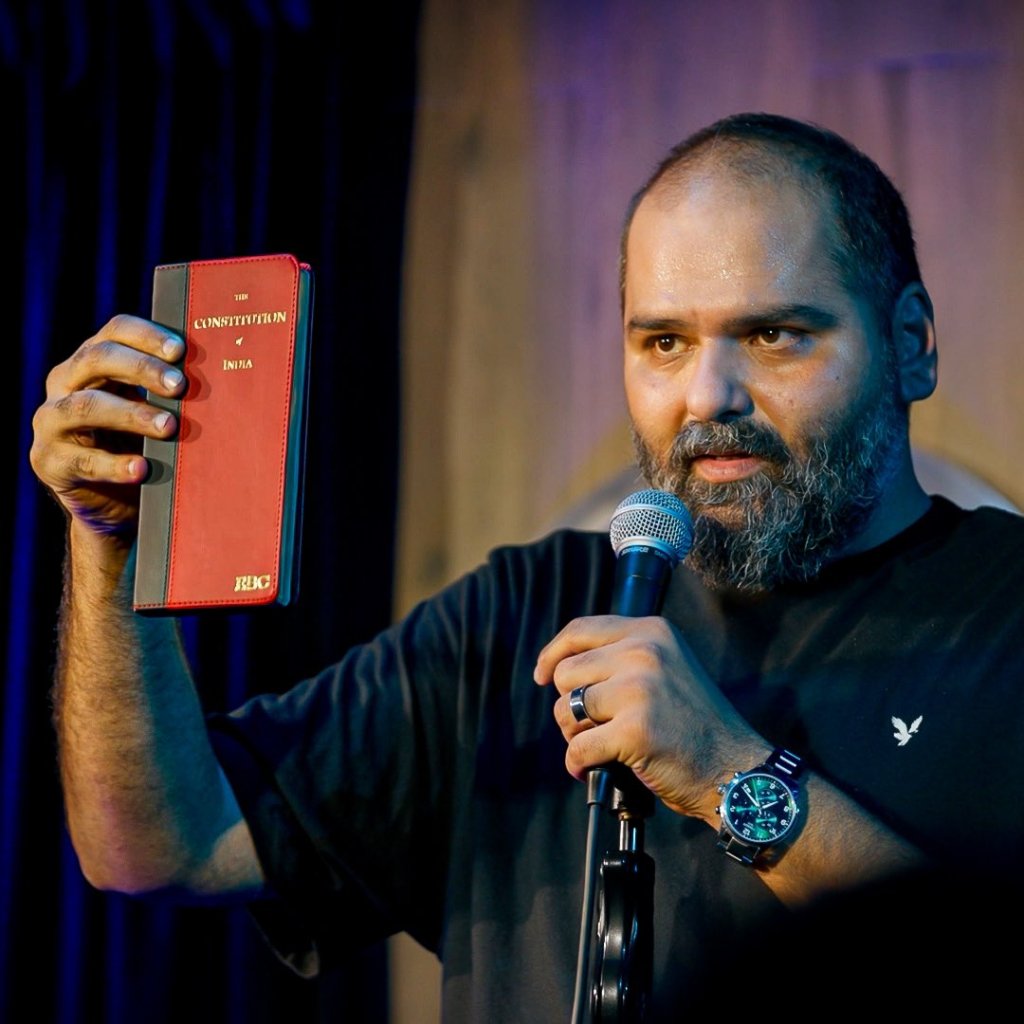
The recent controversy surrounding comedian Kunal Kamra’s stand-up act, where he satirized Maharashtra’s Deputy Chief Minister Eknath Shinde, has reignited a critical debate about the state of freedom of expression in India. Beyond the immediate outrage and legal repercussions, the incident serves as a stark illustration of how state power can be wielded to stifle dissent, and how the notion of free speech, enshrined in the Indian Constitution, often exists more in principle than in practice.
Kamra’s act, featuring a parody song and the use of the term “traitor” (gaddar) to describe Shinde’s role in the Shiv Sena split, triggered a swift and aggressive response. Shiv Sena workers, emboldened by their political affiliation, resorted to vandalism, damaging the comedy club, The Habitat, where the show was recorded. This act of violence, a clear attempt to intimidate and silence, underscores the impunity with which political actors can operate, often with tacit or explicit state support.
The subsequent actions of the Mumbai Police further highlight the potential for misuse of state machinery. The initiation of an investigation against Kamra, the summoning for questioning, and the focus on alleged defamation and conspiracy raise serious concerns about the proportionality of the response. While defamation laws exist, their application in this context appears disproportionate, designed to chill free speech rather than address legitimate grievances. The simultaneous demolition of parts of the comedy venue by civic officials also raises questions about whether this was a punitive action, unrelated to building codes.
Kamra’s refusal to apologize, and his assertion of his right to free expression, place him at the center of a familiar battleground. His stance reflects a growing frustration among artists and activists who feel increasingly constrained by a climate of intolerance. The political reactions to the controversy, with differing views on freedom of speech, reveal the deep polarization within the Indian political landscape.
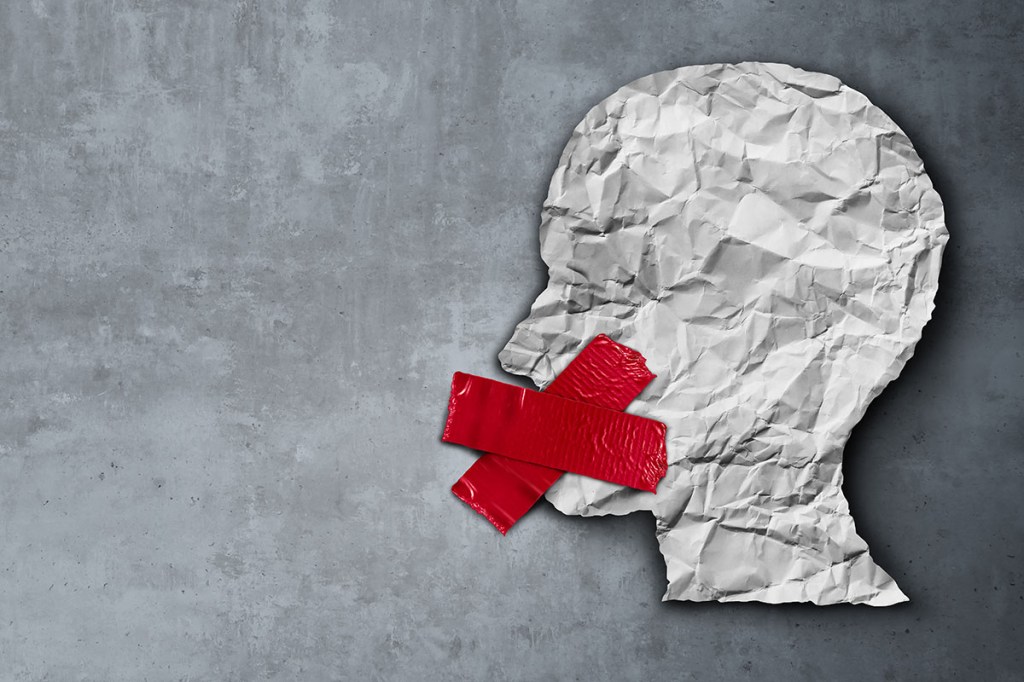
This incident is not an isolated case. It echoes a broader pattern of state action against those who dare to criticize those in power. From journalists facing sedition charges to activists being labeled “anti-national,” the Indian state has increasingly employed legal and extra-legal means to suppress dissent. The tools used are varied:
- Sedition and Defamation Laws: These colonial-era laws are frequently used to target critics, often with vague and broad interpretations.
- Police Investigations and Harassment: The threat of investigation, even without concrete evidence, can be a potent tool for intimidation.
- Extra-Legal Violence: The use of vigilante groups and political mobs to silence dissent creates a climate of fear.
- Administrative Actions: The use of civic authorities to demolish properties or revoke licenses as a form of reprisal.
- Online Trolling and Harassment: The mobilization of online trolls to target and intimidate critics, often with implicit or explicit political backing.
The core issue is not simply about the content of Kamra’s comedy, but about the chilling effect such actions have on the broader discourse. When artists and citizens fear reprisal for expressing their views, the very foundation of a democratic society is undermined.
The Kunal Kamra controversy, therefore, serves as a stark reminder that freedom of expression in India, while constitutionally guaranteed, is often subject to the whims of political power. It highlights the urgent need for a robust defense of free speech, and for a vigilant citizenry that holds the state accountable for its actions. Until the state demonstrates a genuine commitment to protecting dissent, the right to free expression will remain a right in name only.
 LoreShore
Leave a comment